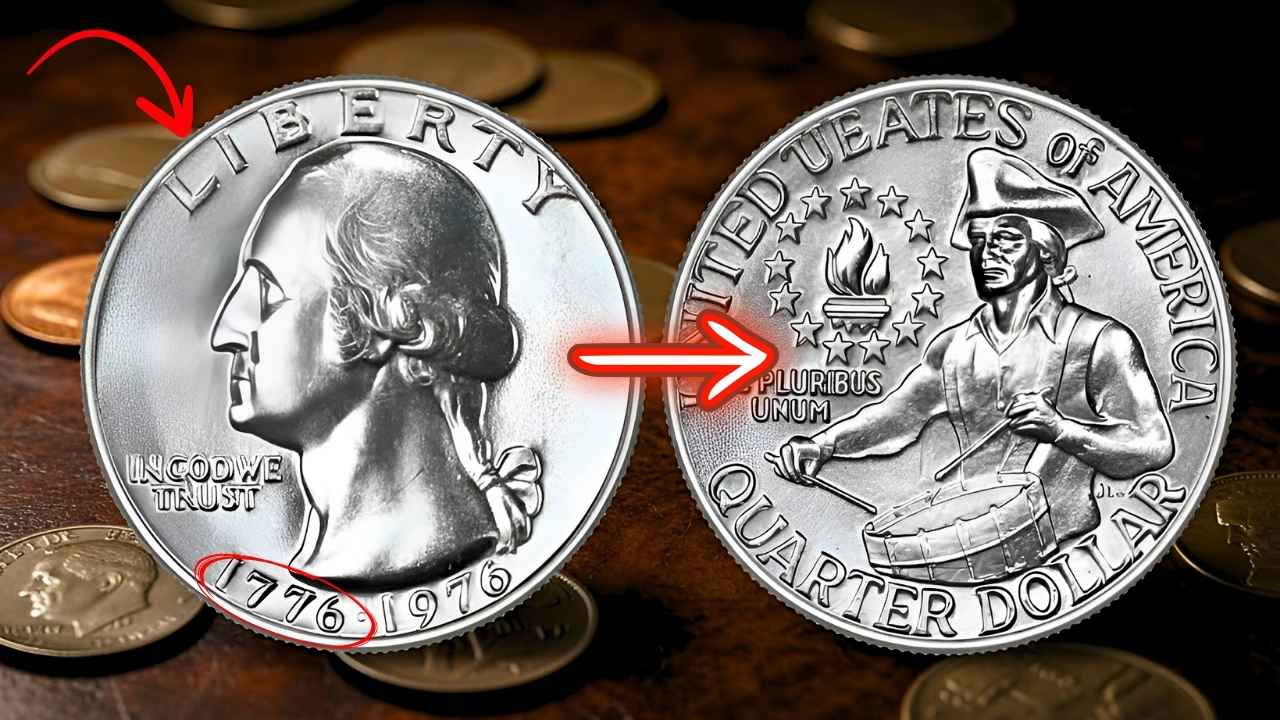
Rare Bicentennial Quarter Value : The Bicentennial quarter is one of the most celebrated coins in American history. Issued in 1975 and 1976 to commemorate the 200th anniversary of the signing of the Declaration of Independence, it features a unique reverse design with a colonial drummer and a torch surrounded by thirteen stars. While most Bicentennial quarters are common and worth only their face value, certain rare varieties and high-grade examples can be worth thousands of dollars. In some cases, collectors have discovered Bicentennial quarters valued so highly that they could change someone’s financial outlook. This article explores the history, rarity, and potential value of Bicentennial quarters, showing why they remain a fascinating part of numismatics.
The History of the Bicentennial Quarter
The Bicentennial quarter was part of a larger program that included special designs for the half dollar and dollar coins. The U.S. Mint wanted to honor America’s 200th birthday with coins that would circulate widely and remind citizens of the nation’s heritage. The reverse design of the quarter was created by Jack L. Ahr, featuring a colonial drummer boy and a victory torch. These coins were minted in both Philadelphia and Denver, with proof versions struck in San Francisco. Billions were produced, making them common in circulation, but certain varieties stand out as rare and valuable.
Why Some Bicentennial Quarters Are Valuable
Most Bicentennial quarters are worth only twenty-five cents, but a few factors can elevate their value dramatically.
- Mint errors: Coins with double dies, off-center strikes, or other mistakes are rare and highly prized.
- Silver composition: Special collector sets included 40 percent silver Bicentennial quarters, which are more valuable than clad versions.
- Condition: Coins graded at the highest levels by professional services can command huge premiums.
- Proof and uncirculated sets: Coins preserved in pristine condition from these sets often fetch higher prices.
The Role of Grading
Professional grading services such as PCGS and NGC play a crucial role in determining the value of Bicentennial quarters. Coins are graded on a scale from 1 to 70, with higher numbers indicating better condition. A Bicentennial quarter graded MS-67 or higher is considered exceptional, and in rare cases, museum-grade coins can reach values in the thousands. The grading process evaluates strike quality, luster, and the presence of imperfections, ensuring that collectors know exactly what they are buying.
Famous Bicentennial Quarter Rarities
Several Bicentennial quarters stand out as particularly valuable.
- 1976-S Silver Proof Quarter: Struck in 40 percent silver, these coins are highly desirable in pristine condition.
- 1976-D Bicentennial Quarter MS-68: Extremely rare in such a high grade, commanding significant premiums at auction.
- Error coins: Examples with doubled dies or off-center strikes can sell for thousands of dollars.
- Special mint sets: Coins preserved in government-issued sets often retain exceptional quality and value.
The Allure of Error Coins
Error coins hold a special fascination among collectors because they represent anomalies in the minting process. Bicentennial quarters with doubled lettering, missing elements, or unusual strikes are rare and valuable. These coins remind collectors of the human element in minting, where mistakes can transform ordinary coins into extraordinary treasures. The thrill of discovering an error coin in circulation adds excitement to the hobby.

Collecting Bicentennial Quarters
For collectors, Bicentennial quarters offer a rewarding pursuit. Building a complete set that includes clad, silver, proof, and error varieties is achievable, but acquiring rare and valuable examples requires dedication. Many collectors focus on high-grade coins, knowing that these hold the greatest potential for appreciation. Auctions, coin shows, and reputable dealers are common places to find rare Bicentennial quarters, though patience and research are essential.
Investment Potential
Bicentennial quarters are not just collectibles; they are also investments. Rare coins tend to appreciate over time, especially those with limited supply and high demand. Investors often seek coins in the best possible condition, knowing that scarcity combined with quality drives long-term growth. The potential for a Bicentennial quarter to be worth thousands makes the series particularly attractive to those looking for both enjoyment and financial gain.
Preservation and Care
Maintaining the condition of rare Bicentennial quarters is essential for preserving their value. Collectors use protective holders, albums, and climate-controlled storage to prevent damage. Handling should be minimized, and when necessary, gloves should be used to avoid transferring oils from the skin. Proper preservation ensures that coins retain their grade and appeal for future generations.
Conclusion
The Bicentennial quarter is more than just a coin; it is a symbol of American history and pride. While most examples are common, rare varieties and high-grade coins can be worth thousands, with some valued so highly that they could change someone’s financial outlook. From silver proofs to error coins, Bicentennial quarters represent the perfect blend of history, rarity, and artistry. For collectors and investors alike, these coins offer both accessibility and the thrill of discovering something extraordinary. By paying attention to mint marks, condition, and unusual features, enthusiasts can uncover treasures that are not just currency but museum-worthy artifacts.