Lincoln Penny Price Guide : The Lincoln penny is one of the most iconic coins in American history. First introduced in 1909 to honor the centennial of Abraham Lincoln’s birth, it has remained in circulation for more than a century. Over the years, the design has evolved, minting practices have changed, and certain editions have become highly valuable to collectors. This guide explores the history, rarity, and value of Lincoln pennies, offering insights into what makes them so fascinating for numismatists and investors alike.
The Origins of the Lincoln Penny
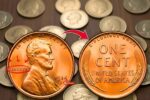
The Lincoln penny was designed by Victor David Brenner and marked the first time a U.S. coin featured a real person rather than symbolic imagery. The obverse displays Lincoln’s portrait, while the reverse originally featured two wheat stalks, symbolizing prosperity. This design, known as the Wheat Penny, was minted from 1909 until 1958. In 1959, the reverse was changed to feature the Lincoln Memorial, and later in 2010, the Union Shield design was introduced.
Key Eras of Lincoln Pennies
Lincoln pennies can be divided into several distinct eras, each with unique characteristics.
- Wheat Pennies (1909–1958): Highly collectible, with several rare editions.
- Memorial Pennies (1959–2008): Common in circulation but with some valuable varieties.
- Bicentennial and Shield Pennies (2009–present): Modern designs that continue the legacy.
Each era reflects changes in American culture and minting technology, making Lincoln pennies a timeline of history in miniature form.
Factors That Influence Value
The value of a Lincoln penny depends on several factors.
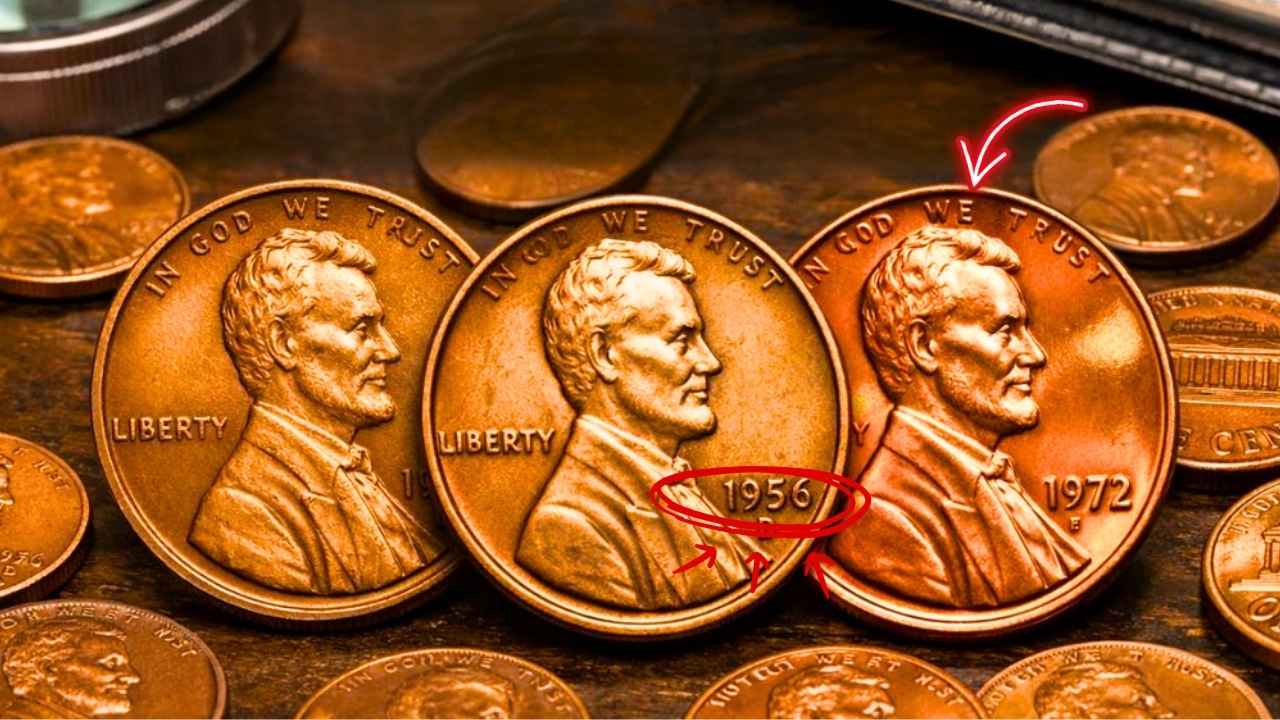
- Year and mint mark: Coins minted in San Francisco (S) or Denver (D) often had smaller production runs.
- Condition: Coins graded higher by professional services are worth more.
- Errors and varieties: Double dies, off-center strikes, and missing mint marks can make a penny rare.
- Historical significance: Coins tied to special events or transitions in design often hold added value.
Rare and Valuable Lincoln Pennies
Some Lincoln pennies stand out as exceptionally valuable. The 1909-S VDB penny is one of the most famous, with only 484,000 minted. The 1914-D penny is another rarity, prized for its low mintage. The 1922 no D penny, created when a die error omitted the Denver mint mark, is highly sought after. More modern examples include the 1955 double die penny, which features doubled lettering on the obverse and remains a favorite among collectors.
The Role of Grading
Professional grading is essential in determining the value of Lincoln pennies. Coins are graded on a scale from Poor (P-1) to Mint State (MS-70). A penny that might be worth a few dollars in circulated condition could fetch thousands if graded at MS-65 or higher. Collectors look for sharp details, minimal wear, and original luster. The difference between a coin graded Fine and one graded Uncirculated can be dramatic in terms of value.
Collecting Lincoln Pennies
For beginners, Lincoln pennies offer an accessible entry point into coin collecting. Many can still be found in circulation or purchased inexpensively, while rarer examples provide long-term investment opportunities. Building a complete set of Lincoln pennies, covering all years and mint marks, is a popular goal among enthusiasts. Along the way, collectors gain knowledge of American history, minting practices, and the artistry of coin design.
Investment Potential
Lincoln pennies are not just collectibles; they are also investments. Rare coins tend to appreciate over time, especially those with limited supply and high demand. The 1909-S VDB penny, for example, has steadily increased in value over decades. Investors often focus on acquiring coins in the best possible condition, knowing that scarcity combined with quality drives long-term growth. However, coin collecting requires patience, research, and careful selection to maximize returns.
Error Coins and Varieties
Error coins hold a special fascination among collectors. The 1955 double die penny is perhaps the most famous, with its doubled lettering creating a striking visual effect. Other errors include off-center strikes, repunched mint marks, and die cracks. These anomalies are rare because most errors are caught during production, making surviving examples highly valuable. Error coins remind collectors of the human element in minting, where mistakes can transform ordinary coins into extraordinary treasures.
Preserving Lincoln Pennies
Proper preservation is essential for maintaining the value of Lincoln pennies. Collectors use coin holders, albums, and protective cases to prevent damage. Handling coins with clean hands or gloves helps avoid oils and dirt that can degrade surfaces. Storing coins in a cool, dry environment prevents corrosion. Preservation ensures that coins retain their condition and value for future generations.
Conclusion
The Lincoln penny is more than just a piece of currency; it is a symbol of American history, artistry, and innovation. From the rare 1909-S VDB to the intriguing 1955 double die, each coin tells a story of craftsmanship and significance. Collectors and investors alike are drawn to Lincoln pennies not only for their monetary worth but also for the connection they provide to the past. As interest in numismatics continues to grow, Lincoln pennies will remain a cornerstone of coin collecting, proving that even the smallest pieces of metal can hold immense value.