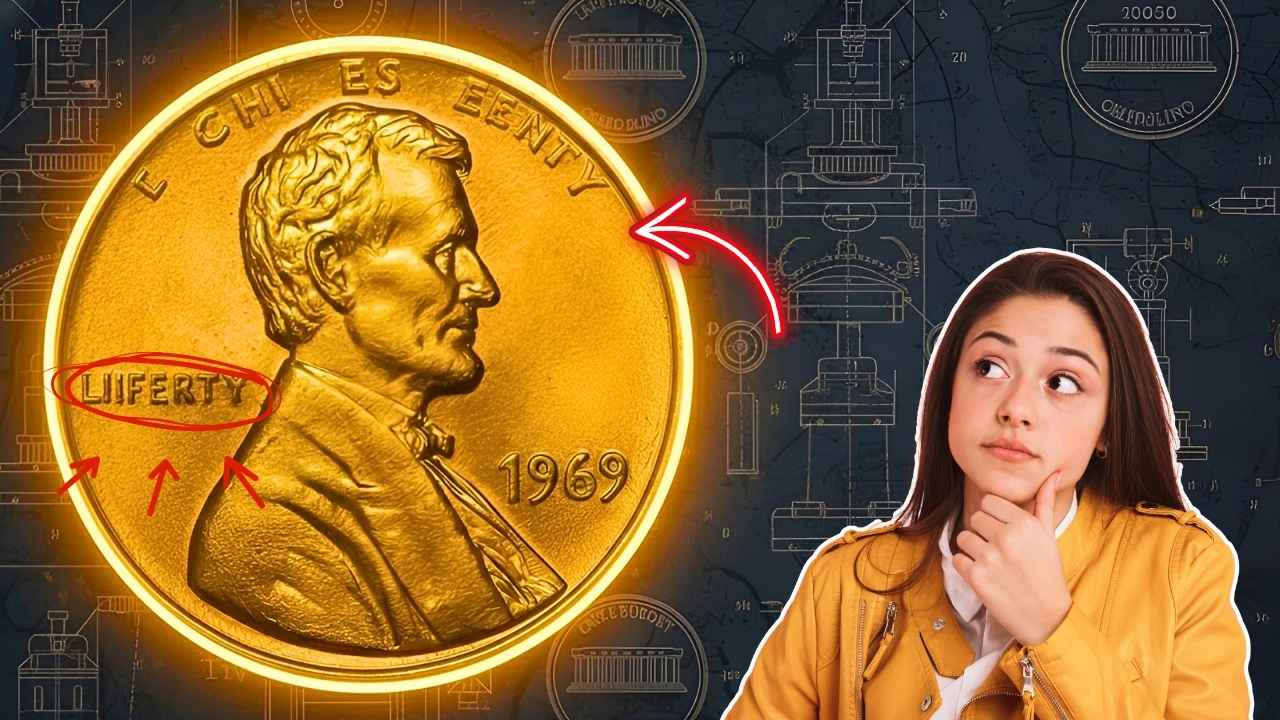
Wheat Penny Worth Explained : The Wheat Penny, officially known as the Lincoln Wheat Cent, is one of the most iconic coins in American numismatics. Minted between 1909 and 1958, it features the portrait of Abraham Lincoln on the obverse and two wheat stalks on the reverse. For collectors, the Wheat Penny is more than just a coin; it represents history, artistry, and the evolution of American currency. Understanding its worth and historical values is essential for anyone interested in coin collecting, whether a beginner or an experienced numismatist.
The History of the Wheat Penny
The Wheat Penny was introduced in 1909 to commemorate the centennial of Abraham Lincoln’s birth. It was the first U.S. coin to feature a president’s portrait, marking a significant departure from previous designs. Victor David Brenner, a sculptor, created the design, which included Lincoln’s bust on the front and two wheat stalks framing the words “ONE CENT” on the back. The coin quickly became popular among the public and has remained a favorite among collectors ever since.
Key Dates and Mintmarks
Not all Wheat Pennies are equal in value. Certain dates and mintmarks are considered rare and highly desirable. For example, the 1909-S VDB penny is one of the most famous rarities, with only a limited number produced. Other key dates include the 1914-D, 1922 no D, and 1931-S. Mintmarks such as “D” for Denver and “S” for San Francisco can significantly affect a coin’s scarcity and value. Collectors often focus on completing sets that include all dates and mintmarks, which can be a challenging but rewarding pursuit.
Factors That Determine Value
The value of a Wheat Penny depends on several factors. Condition is one of the most important, with coins graded higher on the scale commanding greater prices. Uncirculated coins with sharp details and minimal wear are worth far more than those that have been heavily circulated. Rarity also plays a major role, as coins with low mintage numbers or unique errors are more valuable. Demand among collectors influences prices as well, with certain coins consistently sought after in the marketplace.
Historical Price Trends
Over the decades, Wheat Pennies have shown steady appreciation in value, especially for rare dates. In the mid-20th century, collectors began to recognize the significance of these coins, and prices for key dates started to rise. Auction records reveal that rare Wheat Pennies have sold for thousands of dollars, while common dates remain affordable for beginners. The historical trend demonstrates that Wheat Pennies are not only collectible but also a potential investment, with values increasing as scarcity and demand grow.
Common Wheat Pennies and Their Worth
While rare Wheat Pennies can be worth significant amounts, most coins from the series are relatively common. Pennies from the 1940s and 1950s, for example, were produced in large quantities and are often found in circulation. These coins typically hold modest value, ranging from a few cents to a couple of dollars depending on condition. For new collectors, common Wheat Pennies provide an accessible entry point into numismatics without requiring large financial investment.
Rare Wheat Pennies and Their Value
Rare Wheat Pennies are the highlight of any collection. The 1909-S VDB penny, with fewer than 500,000 minted, can sell for hundreds or even thousands of dollars depending on condition. The 1914-D penny is another rarity, often commanding high prices at auctions. Error coins, such as the 1922 no D penny, are also highly prized. These rare examples showcase the potential for Wheat Pennies to hold significant historical and monetary value, making them a cornerstone of serious collections.
Collecting Strategies
For collectors, building a Wheat Penny collection can be approached in several ways. Some focus on acquiring all dates and mintmarks, while others concentrate on rare and high-value coins. Beginners may start with common pennies to learn grading and identification before moving on to rarities. Attending coin shows, joining numismatic clubs, and consulting price guides are effective strategies for expanding knowledge and finding valuable coins. Patience and persistence are key, as assembling a complete collection can take years.

The Role of Grading Services
Professional grading services such as PCGS and NGC play an important role in determining the value of Wheat Pennies. These organizations evaluate coins based on strict standards and assign grades that reflect condition and quality. A coin certified by a grading service provides assurance of authenticity and helps establish its market value. For rare Wheat Pennies, certification can significantly increase desirability and price, as collectors trust the accuracy of professional grading.
Investment Potential
Beyond their historical and artistic appeal, Wheat Pennies also hold investment potential. Rare coins have consistently shown appreciation in value, making them attractive to collectors and investors alike. While common Wheat Pennies may not yield large returns, key dates and rare varieties can serve as long-term assets. As demand for numismatic items continues to grow, the investment potential of Wheat Pennies remains strong, especially for coins in high grades and with professional certification.
Challenges in Collecting Wheat Pennies
Collecting Wheat Pennies is not without challenges. Counterfeit coins and altered examples can mislead collectors, especially with rare dates. Wear and damage can also obscure important details, making identification difficult. Prices for rare coins may fluctuate based on market demand, requiring careful research before purchasing. Despite these challenges, the rewards of collecting Wheat Pennies outweigh the risks, offering both enjoyment and potential financial gain.
Conclusion
The Wheat Penny is more than just a coin; it is a piece of American history that continues to captivate collectors worldwide. From common examples worth a few cents to rare varieties valued in the thousands, Wheat Pennies offer something for everyone. Understanding their historical values, key dates, and factors that determine worth is essential for building a meaningful collection. Whether pursued for passion or investment, Wheat Pennies remain a timeless symbol of numismatic heritage and a rewarding pursuit for generations to come.