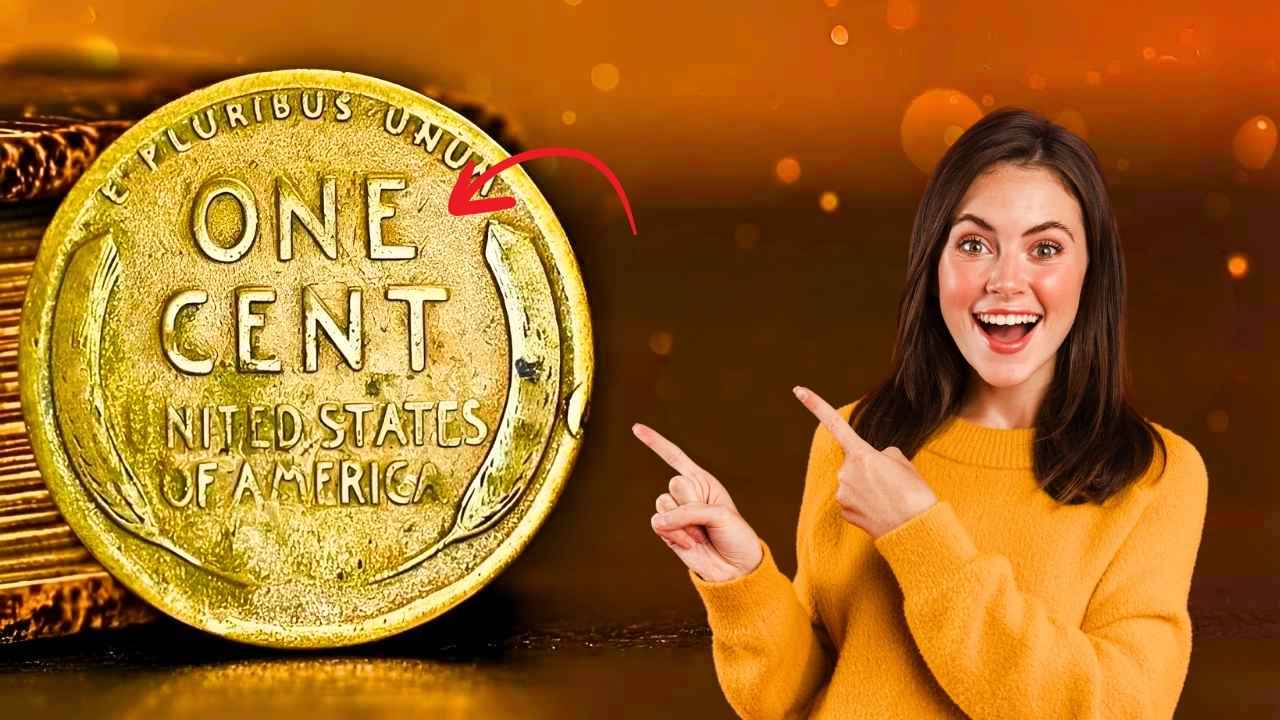
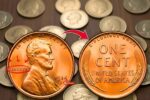
Wheat Pennies Worth Collecting : Wheat pennies, officially known as Lincoln Wheat Cents, were minted in the United States from 1909 to 1958. They are instantly recognizable by the two wheat stalks on the reverse side, framing the words “ONE CENT.” These coins hold a special place in American numismatics because they not only represent a long era of coinage but also carry historical significance tied to the early 20th century. For collectors, wheat pennies are more than just old coins; they are hidden treasures that can range in value from a few cents to thousands of dollars depending on rarity, condition, and unique varieties.
Historical Background
The Lincoln Wheat Cent was introduced in 1909 to commemorate the centennial of Abraham Lincoln’s birth. Designed by Victor David Brenner, it was the first U.S. coin to feature a real person rather than a symbolic figure. Over the years, millions of wheat pennies were struck at the Philadelphia, Denver, and San Francisco mints. While most are common, certain dates, mint marks, and error varieties have become highly sought after by collectors.
Why Collect Wheat Pennies
Wheat pennies are popular among collectors for several reasons. They are relatively affordable compared to other rare coins, making them accessible to beginners. At the same time, certain rare varieties can be extremely valuable, offering seasoned collectors the thrill of hunting for hidden gems. Their historical significance, combined with the variety of mint marks and errors, makes them a fascinating series to collect.
Key Factors That Influence Value
Several factors determine the value of wheat pennies:
- Rarity: Coins with low mintage numbers or unique varieties are more valuable.
- Condition: Coins in mint state or uncirculated condition command higher prices.
- Mint Marks: Pennies struck at the Denver (D) and San Francisco (S) mints are often scarcer than those from Philadelphia.
- Errors and Varieties: Double dies, off-center strikes, and other minting mistakes can dramatically increase value.
Top Hidden Treasures Among Wheat Pennies
1909-S VDB
The 1909-S VDB is one of the most famous wheat pennies. With only 484,000 minted, it is considered the holy grail of the series. In high grades, this coin can fetch thousands of dollars.
1914-D
The 1914-D penny is another key rarity. With a low mintage of just over one million, it is highly sought after. Even in circulated condition, it can be worth hundreds of dollars.
1922 No D
This variety occurred when the Denver Mint produced pennies without the “D” mint mark due to a worn die. The 1922 No D is extremely rare and valuable, especially in higher grades.
1931-S
The 1931-S penny had a mintage of less than one million, making it one of the scarcest wheat pennies of the 1930s. Collectors prize it for its rarity and historical context during the Great Depression.

1943 Steel Penny
During World War II, copper was needed for ammunition, so the U.S. Mint produced pennies in steel coated with zinc. While common overall, certain error varieties, such as 1943 copper pennies struck by mistake, are incredibly rare and can be worth tens of thousands of dollars.
1955 Double Die Obverse
The 1955 double die obverse is one of the most famous error coins in U.S. history. The doubling on the date and lettering is so dramatic that it can be seen without magnification. This coin is highly collectible and valuable, often selling for thousands depending on condition.
1944 Steel Penny
Similar to the 1943 copper error, some 1944 pennies were mistakenly struck on leftover steel planchets. These coins are extremely rare and valuable, with prices reaching tens of thousands of dollars.
1926-S
The 1926-S penny is another low-mintage coin, with fewer than five million produced. It is considered a semi-key date and is highly desirable among collectors.
1936 Double Die Obverse
The 1936 double die obverse variety shows noticeable doubling on the date and lettering. While not as dramatic as the 1955, it is still a valuable error coin.
1949-S Over S
This variety features a repunched mint mark, where the “S” was stamped twice. Such varieties are popular among collectors and can add significant value to the coin.
Building a Collection of 100 Hidden Treasures
While the coins mentioned above are among the most famous, there are dozens of other wheat pennies worth collecting. Semi-key dates, low-mintage issues, and lesser-known error varieties all contribute to a list of 100 hidden treasures. Collectors often aim to build a complete set of wheat pennies, which includes every date and mint mark from 1909 to 1958. Within that set, certain coins stand out as treasures due to rarity or unique characteristics.
Examples include:
- 1911-S, a low-mintage coin from San Francisco.
- 1924-D, another scarce Denver issue.
- 1934 Double Die Obverse, a lesser-known but valuable variety.
- 1946-S Over D, a repunched mint mark variety.
- 1951-S, a semi-key date with lower mintage.
By carefully selecting coins with historical significance, rarity, and unique varieties, collectors can build a collection of 100 wheat pennies that represent hidden treasures within the series.
Tips for Collectors
- Learn to identify mint marks and varieties.
- Invest in a magnifying glass or coin loupe to spot doubling and repunched mint marks.
- Consider professional grading for rare coins to ensure authenticity and maximize value.
- Store coins properly in albums or holders to prevent damage.
- Stay informed about market trends, as values can fluctuate over time.
Conclusion
Wheat pennies are more than just old coins; they are pieces of history that carry stories from the early 20th century through World War II and beyond. From the legendary 1909-S VDB to the dramatic 1955 double die, these coins represent hidden treasures waiting to be discovered. Building a collection of 100 wheat pennies worth collecting is not only a rewarding hobby but also an investment in history and rarity. For collectors, the thrill lies in uncovering these hidden gems and preserving them for future generations.