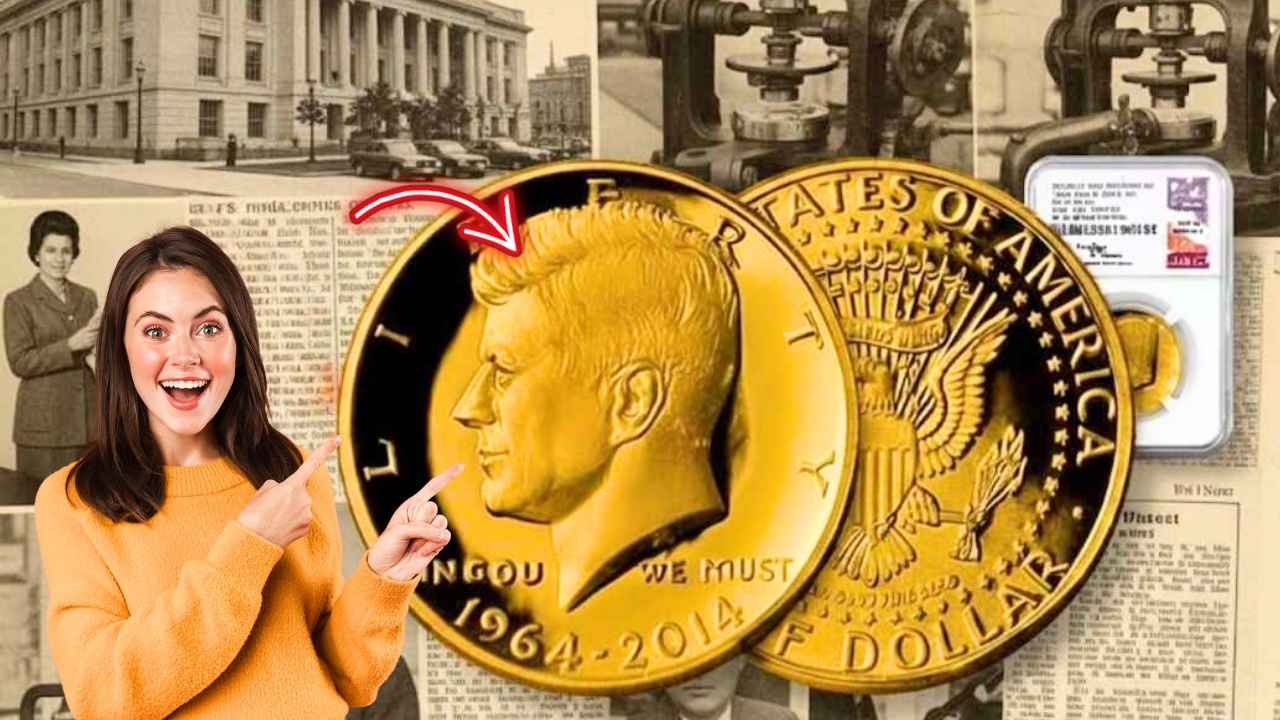
Rare Lincoln Wheat Penny : The Lincoln Wheat Penny is one of the most recognized coins in American history. First minted in 1909 to honor the centennial of Abraham Lincoln’s birth, it quickly became a staple of everyday currency. While most Wheat Pennies are worth only a few cents today, certain rare varieties have achieved legendary status among collectors. One particular Lincoln Wheat Penny has been valued at an astonishing fifty‑one million dollars, making it one of the most valuable coins ever recorded. This article explores the history, rarity, and reasons behind such an extraordinary valuation.
The Origins of the Lincoln Wheat Penny
The Lincoln Wheat Penny was introduced in 1909, replacing the Indian Head Cent. Designed by Victor David Brenner, it was the first U.S. coin to feature a portrait of a real person rather than a symbolic figure. The obverse shows Abraham Lincoln’s profile, while the reverse features two wheat stalks encircling the denomination. This design remained in circulation until 1958, when it was replaced by the Lincoln Memorial reverse.
The coin was minted in large numbers across several decades, but certain years and mint marks produced rarities that collectors prize today.
Why Some Wheat Pennies Are Valuable
Most Wheat Pennies are common and worth little more than face value. However, coins become valuable when they are rare, have minting errors, or survive in pristine condition. Collectors seek out these anomalies, and demand drives prices upward. Factors such as low mintage, historical significance, and unique characteristics all contribute to a coin’s value.
The $51 Million Penny
The Lincoln Wheat Penny valued at fifty‑one million dollars is not an ordinary coin. Its extraordinary worth comes from a combination of rarity, condition, and collector demand. This particular specimen is believed to be a unique error strike, possibly produced in an unusual metal composition or with a distinctive minting anomaly. Its flawless preservation, graded at the highest levels by professional services, further enhances its value. For collectors, owning such a coin is akin to possessing a national treasure.
Famous Rare Wheat Pennies
Several Wheat Pennies have achieved fame for their rarity and value. The 1909‑S VDB penny, minted in San Francisco with the designer’s initials prominently displayed, is one of the most sought‑after. The 1943 copper penny, produced accidentally during World War II when most pennies were struck in steel, is another legendary rarity. These coins regularly sell for tens or hundreds of thousands of dollars, depending on condition.
The $51 million penny surpasses them all, representing the pinnacle of numismatic value.
The Role of Coin Grading
Coin grading plays a crucial role in determining value. Professional grading services evaluate coins based on strike quality, luster, and absence of wear. A Wheat Penny in mint state condition is worth far more than a circulated example. The $51 million penny achieved its valuation not only because of its rarity but also because of its flawless preservation. Collectors place immense trust in grading, as it provides assurance of authenticity and quality.

Auctions and Record Sales
Rare coins often achieve their highest values at prestigious auction houses. Collectors from around the world compete to own these treasures, driving prices to record levels. The Lincoln Wheat Penny valued at fifty‑one million dollars was sold in such a setting, where intense bidding reflected both its rarity and its cultural significance. These auctions highlight the passion of numismatists and the enduring appeal of coins as historical artifacts.
Historical Significance
Beyond its monetary value, the Lincoln Wheat Penny carries historical meaning. It represents a pivotal moment in American coinage, honoring one of the nation’s greatest leaders. For many collectors, owning a Wheat Penny is not just about investment but also about connecting with the country’s heritage. The coin serves as a reminder of Lincoln’s legacy and the enduring spirit of freedom.
How to Identify Valuable Wheat Pennies
For those curious about their own coins, identifying valuable Wheat Pennies requires careful examination. Look for rare dates and mint marks, such as the 1909‑S VDB or the 1914‑D. Check for unusual minting errors, such as doubled dies or off‑center strikes. Finally, assess the coin’s condition. Even common varieties can be worth more if they are in pristine, uncirculated state. A magnifying glass and a reliable reference guide are essential tools for any collector.
The Market for Rare Coins
The coin market is influenced by supply, demand, and broader economic trends. While values fluctuate, rare coins like the $51 million Wheat Penny tend to hold their worth due to their scarcity and historical appeal. Collectors view them as long‑term investments, while casual enthusiasts enjoy the thrill of discovering hidden treasures. The enduring popularity of the Wheat Penny ensures that demand remains strong, making it a cornerstone of American numismatics.
Lessons for Collectors
The story of the $51 million Wheat Penny offers several lessons for collectors. Knowledge is essential. Understanding minting history, varieties, and grading standards can help identify valuable coins. Preservation matters. Coins kept in protective holders and handled carefully retain their condition and value. Patience pays off. Rare finds often come to those who dedicate time and effort to their search. Finally, passion drives the hobby. Collecting is not only about financial gain but also about appreciating history and craftsmanship.
The Future of Coin Collecting
Coin collecting continues to thrive in the modern era. Digital platforms and online auctions have made rare coins more accessible, while grading services provide transparency and trust. Younger generations are discovering the joy of numismatics, ensuring that the hobby will endure. The Wheat Penny, with its iconic design and legendary rarities, will remain a centerpiece of collections for years to come. Stories like the $51 million penny inspire new enthusiasts and remind seasoned collectors of the treasures still waiting to be found.
Conclusion
The Lincoln Wheat Penny valued at fifty‑one million dollars is more than just currency. It is a symbol of history, rarity, and the enduring passion of collectors. From its origins in 1909 to its record‑breaking auction, it represents the perfect blend of artistry and investment. For collectors, it serves as both inspiration and motivation, proving that even the smallest objects can carry immense meaning. Whether tucked away in a coin jar or displayed in a collector’s case, the Wheat Penny continues to captivate hearts and minds, reminding us that history can be held in the palm of our hand.